

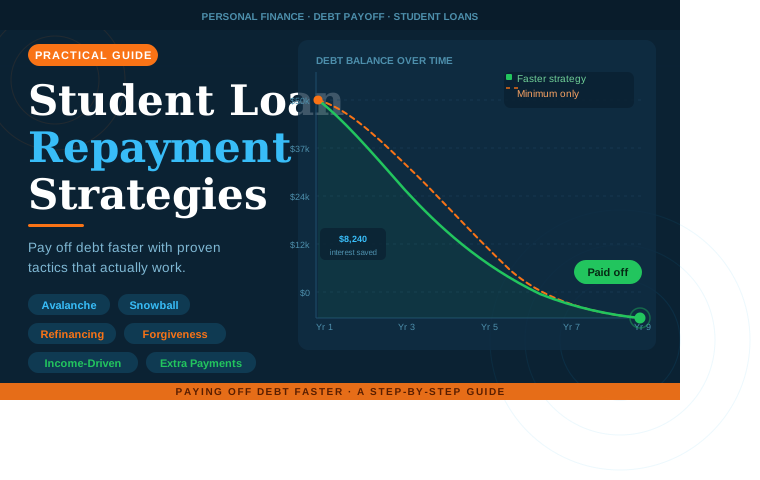
Student loans can feel overwhelming, but with the right strategy, you can take control, reduce interest, and become debt-free sooner. Whether you’re just starting repayment or already in it, this guide walks you through smart, realistic approaches.
1. Know What You Owe (Start Here)
Before choosing a strategy, understand your loans:
- Total balance
- Interest rates
- Loan types (federal vs private)
- Servicer and repayment terms
If you have U.S. federal loans, review options through the Federal Student Aid portal.
2. Choose the Right Repayment Plan
Your repayment plan determines how much you pay monthly and over time.
Federal Loan Options:
- Standard (fixed payments, ~10 years)
- Graduated (payments increase over time)
- Income-driven plans like Income-Driven Repayment Plans
Income-driven plans cap payments based on your income, which helps if you’re earning less early in your career.
3. Use the Debt Avalanche Method (Save the Most Money)
This is the most efficient strategy mathematically.
How it works:
- Pay minimums on all loans
- Put extra money toward the highest interest rate loan first
Why it works:
You reduce the amount of interest accumulating over time.
4. Or Try the Debt Snowball Method (Build Momentum)
If motivation is a challenge, this can work better.
How it works:
- Pay off the smallest loan first
- Then move to the next smallest
Why it works:
Quick wins keep you motivated, even if you pay slightly more interest overall.
5. Make Extra Payments (Even Small Ones Matter)
Paying more than the minimum reduces both:
- Interest paid
- Loan duration
Tips:
- Add a fixed extra amount monthly
- Use windfalls (bonuses, tax refunds)
- Make biweekly payments instead of monthly
6. Refinance (But Be Careful)
Refinancing replaces your loan with a new one at a lower interest rate.
Best for:
- Stable income
- Good credit score
- Private loans or non-forgiveness-focused borrowers
Important Warning:
Refinancing federal loans removes access to programs like Public Service Loan Forgiveness and income-driven plans.
7. Consider Loan Forgiveness Programs
Some borrowers qualify for partial or full forgiveness.
Common options:
- Public service jobs → Public Service Loan Forgiveness
- Long-term income-driven repayment
These programs require strict eligibility, so read the details carefully.
8. Automate Your Payments
Most lenders offer:
- Auto-pay discounts (usually 0.25% interest reduction)
- Reduced risk of missed payments
Set it up once and stay consistent.
9. Cut Costs and Increase Income
Repayment isn’t just about loans—it’s about your overall financial system.
Try this:
- Reduce unnecessary expenses
- Take on freelance or side work
- Redirect extra income to loans
Even an extra $100/month can make a big difference over time.
10. Avoid These Common Mistakes
- Ignoring your loans (they don’t go away)
- Paying only minimums forever
- Refinancing without understanding trade-offs
- Missing payments (hurts your credit)
Also Read: Scholarships Every U.S. Student Should Know About
Final Thoughts
Student loan repayment isn’t one-size-fits-all. The best strategy depends on:
- Your income
- Your loan type
- Your long-term financial goals
Start with a clear plan, stay consistent, and adjust as your situation improves. Over time, small disciplined actions can lead to full financial freedom.